
专题05 动词时态和语态(原卷版)


动词时态和语态
一般现在时的用法
① 表示经常性、习惯性的动作或存在的状态。常与频度副词连用。
I often take a walk in the park. 我经常在公园散步。
These T-shirts are new. 这些 T恤衫是新的。
② 表示客观事实、真理。
The sun rises in the east and sets in the west. 太阳东升西落。
③ 在时间、条件状语从句中表示将来的动作。
If it doesn’t rain tomorrow, I will go bike riding in the open air. 如果明天不下雨,我将在户外骑自行车。
I’ll tell her the good news when she comes back. 当她回来的时候,我将把这个好消息告诉她。
④ 表 示 按 计 划 或 安 排 将 要 发 生 的 动 作 , 可 用 一 般 现 在 时 表 将 来 。 但 只 限 于
start,begin,leave,go,come,arrive,return,take place 等。
1)Shanghai Wild Animal Park _________ many visitors every year.
A) attracted B) attracts C) has attracted D) will attract
2)My next door neighbor _________ football with his friends every Saturday.
A) had played B) playing C) has played D) plays
3)Wayne’s sister _________ as a waitress in a big restaurant for the time being.
A) works B) worked C) has worked D) will work
一般过去时的定义
① 一般过去时表示过去某个时间发生的动作或存在的状态,常和表示过去的时间状语连用。如
yesterday,the day before yesterday,last week,in 2015,three days ago,the other day,just now,at the
moment,this morning,once upon a time,long long ago。
—What did you do yesterday? 昨天你做了什么?
—I went swimming. 我去游泳了。
② 表示过去经常性或习惯性发生的动作。
When I was at middle school, I often went to school by bike. 我读中学时经常骑自行车去学校。
一般过去时的用法
(1)表示在过去某个时间所发生的动作或所处的状态。常与 yesterday, last week, in 1989, just now, a
moment ago, the other day 等连用。
He was here just now. 他刚才还在这里。
1
What did you do yesterday? 你昨天做了什么事?
(2)在过去一段时间内的经常性或习惯性动作。
We often played together when we were children. 我们小时候常在一起玩。
注意:表示过去经常发生的动作还可用 used to 和would。
He used to smoke a lot, but he doesn’t now. 他过去经常抽烟,但现在不抽了。
Whenever we were in trouble, he would help us.
每当我们遇到困难,他都会帮助我们。
(3)表示主语过去的特征或性格。
At that time she was very good at English. 那时她英语学得很好。
(4)用在状语从句中表示过去将来。
He said he would wait until they came back.
(5)一般过去时有时可以表示现在,多与 want, hope, wonder, think, intend 等动词连用,使语气更委婉。
I wondered if you could help me. 不知你能不能帮我一下。
有时用一般过去时也是时态一致的需要。
I didn’t know you were here. 我不知道你在这里。
注意:
(1)表示一系列的动作,尽管有先后,都用一般过去时,最后两个动词之间用 and 连结。
He opened the door, rushed out and then disappeared. 他打开门,冲了出去,然后就消失了。
(2)注意在语境中理解"我刚才/原来还不……"。
—Your phone number again? I didn’t quite catch it. 请再说一次你的电话号码,好吗?我刚才没听清楚。
—It’s 2566666. 是2566666。
1) You can’t find Alice in Shanghai now. She _________ to America last week.
A) has flown B) had flown C) flew D) will fly
2)Kitty’s family __________ into the new flat three years ago.
A) moved B) was moving C) will move D) moves
3)Wang Meng _________ three gold medals at the Vancouver (温哥华)Winter Olympic Games.
A) wins B) won C) will win D) would win
4)The teachers in our school _________ on a two-day trip to the mountains last weekend.
A) go B) goes C) went D) will go
5)Millions of visitors throughout the world _________ Shanghai during 2010 World Expo.
A) visit B)will visit C)would visit D) visited
一般将来时主要构成形式
一般将来时表示将来某个时间要发生的动作,事情或存在的状态,也表示将来经常或反复发生的动
2
作或事情。
1. will/shall+动词原形,shall 用于第一人称,常被 will 所代替。will 在陈述句中用于各人称,在征求
意见时常用于第二人称,will not=won’t,shall not=shan’t。
Which paragraph shall I read first? 我先读哪一段呢?
Will you be at home at seven this evening? 今晚七点回家好吗?
2. be going to +不定式,表示将来。
a. 主语的意图,即将做某事。
What are you going to do tomorrow? 明天打算作什么呢?
b. 计划、安排要发生的事。
The play is going to be produced next month。这出戏下月开播。
c. 有迹象要发生的事。
Look at the dark clouds, there is going to be a storm. 看那乌云,暴风雨快来了。
3. be +不定式表将来,按计划或正式安排将发生的事。
We are to discuss the report next Saturday. 我们下星期六讨论这份报告。
4. be about to +不定式,意为"马上做某事"。
He is about to leave for Beijing. 他马上要去北京。
注意:be about to do 不能与 tomorrow, next week 等表示明确将来时的时间状语连用。
1)Simon is interested in American culture. He _________ English at Trojan University next year.
A) study B) studied C) will study D) would study
2)Another bridge across the Yangtze River _________ built in one or two years.
A) was B) has been C) would be D) will be
3)They _________ their classroom to welcome me coming Christmas tomorrow afternoon.
A) decorate B) will decorate C) are decorating D) decorated
4)Most of our classmates _________ to college in a couple of years.
A) go B)will go C)have gone D)went
5)There _________ a Disneyland Park in Shanghai Pudong New Area in the near future.
A) is B) will be C) was D) would be
现在进行时的定义
现在进行时主要用于表示目前正在进行的动作,有时也可表示现阶段在进行的动作。
The teacher is giving us an English lesson. 老师正在给我们上英语课。
The farmers are getting in their crops. 农民们正在收割庄稼。
We are making preparations for the conference. 我们一直在为会议作准备。
3

相关推荐
-
2024届云南三校高三下学期联考备考实用性联考(七)文科综合试卷-高中历史 -2022-2023学年七年级数学下册同步精品课堂(北师大版)
 2025-01-25 48
 -
2024届云南三校高三下学期联考备考实用性联考(七)文科综合试卷-高中地理 含解析-2022-2023学年七年级数学下册同步精品课堂(北师大版)
 2025-01-25 81
 -
2024届云南三校高三下学期联考备考实用性联考(七)理科综合试卷-高中物理 含解析-2022-2023学年七年级数学下册同步精品课堂(北师大版)
 2025-01-25 45
 -
2024届云南三校高三下学期联考备考实用性联考(七)理科综合试卷-高中物理 -2022-2023学年七年级数学下册同步精品课堂(北师大版)
 2025-01-25 66
 -
2024届云南三校高三下学期联考备考实用性联考(七)理科综合试卷-高中生物 含解析-2022-2023学年七年级数学下册同步精品课堂(北师大版)
 2025-01-25 63
 -
2024届云南三校高三下学期联考备考实用性联考(七)理科综合试卷-高中生物 -2022-2023学年七年级数学下册同步精品课堂(北师大版)
 2025-01-25 102
 -
2024届云南三校高三下学期高考备考实用性联考卷(七)英语试卷 含解析-2022-2023学年七年级数学下册同步精品课堂(北师大版)
 2025-01-25 90
 -
2024届云南三校高三下学期高考备考实用性联考卷(七)英语试卷 -2022-2023学年七年级数学下册同步精品课堂(北师大版)
 2025-01-25 95
 -
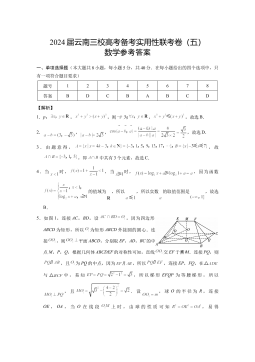
2024届云南三校高考备考实用性联考卷(五)数学-答案和解析-2022-2023学年七年级数学下册同步精品课堂(北师大版)
 2025-01-25 101
 -
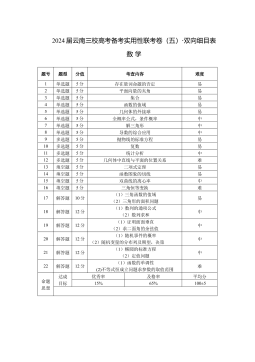
2024届云南三校高考备考实用性联考卷(五)数学 -双向细目表-2022-2023学年七年级数学下册同步精品课堂(北师大版)
 2025-01-25 109
作者:envi
分类:初中
价格:3知币
属性:9 页
大小:29.68KB
格式:DOCX
时间:2025-02-21
作者详情

相关内容
-
2023-2024学年高中上学期期末模拟考试+高一生物期末模拟卷(全国通用,必修1)(答题卡)A4版
分类:高中
时间:2024-12-16
标签:无
格式:DOCX
价格:3 知币
-
2023-2024学年高中上学期期末模拟考试+高一生物期末模拟卷(全国通用,必修1)(A4考试版)【测试范围:必修1】(人教版2019)
分类:高中
时间:2024-12-16
标签:无
格式:DOCX
价格:3 知币
-
2023-2024学年高中上学期期末模拟考试+高一生物期末模拟卷(全国通用,必修1)(A3考试版)【测试范围:必修1】(人教版2019)
分类:高中
时间:2024-12-16
标签:无
格式:DOCX
价格:3 知币
-

(T8联考)2024届高三第一次学业质量评价+生物
分类:高中
时间:2024-12-16
标签:无
格式:PDF
价格:3 知币
-
2023-2024学年高中上学期期末模拟考试+高一生物期末模拟卷(全国通用,必修1)(参考答案)
分类:高中
时间:2024-12-16
标签:无
格式:DOCX
价格:3 知币


