
新版人教新目标英语八年级下册Units1-10重点词汇重难点整理与习题(有答案)


新目标英语八年下 Units1-10 重点词汇重难点整理
一、advice 的用法
1.advice (n.)意为“建议,忠告,劝”。不可数名词。
如:a piece of advice 一条建议 some/ much/ a lot of/lots of advice 一些/ 许多建议
give sb. advice on sth.就某事给某人建议
2.advise(v.) 意为“建议”。
(1) advise doing sth. 建议做某事
如:He advised leaving early.他建议早点动身。
注意:不能直接后跟不定式作宾语。所以 He advised to leave early.是错的。
I advised holding a meeting to discuss the matter.我建议开一个会来讨论这件事情。
(2)advise sb. to do sth. 建议某人做某事
如:He advised me to buy a computer.他建议我买台电脑。
The doctor advised me to take a complete rest.医生建议我完全休息。
注意:以上意思也可以后接从句的形式表达(注意从句用 should +v.这样的虚拟语气) 。
如上面第一句也可说成:He advised that I (should) buy a computer.
(3)advise sb. against doing sth.劝告某人不要做某事。
如:He advised her against going out at night.他劝告她晚上不要出去。
Her father advised her against marrying the worker.她父亲劝告她不要嫁给这个工人。
注意:该句型有时可与 advise sb. not to do sth.替换。
如上面第一句也可说成:He advised her not to go out at night.
(4)advise sb. of sth. 通知或告知某人有某情况。
如:Please advise us of the arrival of the goods.货物到达时请通知我们。
(5)advise on sth.或advise sb. on sth. 就某方面给出建议
如:He often advises on this project.他经常就此项工程提出建议。
1

They often advise us our work.= They often give us some advice on our work.
他们经常就我们的工作给我们提建议。
二、lie 的用法
1.vi. 意为“躺,位于”。常与 around,down,in,on 等词连用,不能用于被动语
态。---lay(过去式)---lain(过去分词)---lying(现在分词)
如:You should lie down and have a rest. 你应该躺下休息。
The girl lying on the road is my teacher. 躺在马路上的那个女孩是我的老师。
2.vi. 意为“说谎”。---lied(过去式)---lied(过去分词)---lying(现在分词)
如:Don’t lie to me! 别对我说谎!
3.n.意为“谎言,谎话”。可数名词,变复数为 lies。
如:He told a big lie. 他撒了一个弥天大谎。
三、should 的用法
情态动词 should 有自己的意义,但不能单独作谓语,只能和其他动词一起构成谓语,
表示说话人的态度或看法,其后接动词原形,其否定形式为 shouldn’t。常见用法如
下:
1.表示义务、责任、劝告或建议等,意为“应该”。常指根据常理认为对的事或应
该去做的事。
如:He should go home as early as possible because his mother is waiting for him. 他应
该尽早回家,因为他妈妈在等他。
2.表示有一定根据的推论或猜测,意为“照理说,应该”。
如:He should be there now.他现在应该到那儿了。
3.用于疑问句中,表示说话人征求对方的意见或向对方请求。
2
如:What should I do? 我该怎么做?
四、surprise 的用法
1.n. 意为“惊奇,惊讶”。 to one’s surprise 使… 惊讶的是 in surprise 吃惊地
如:To our surprise, she didn’t come to the meeting.令我们惊讶的是,她没来参加会议。
2.vt. 意为“使惊奇”。 surprise sb. 令某人吃惊
如:The bad news surprised me. 那条坏消息让我大吃一惊。
3.surprised adj. 意为“感到吃惊的”其主语通常是人。
be surprised at…对…感到吃惊 be surprised that 从句 吃惊于…
be surprised to do sth. 做某事感到吃惊
如:We were surprised at this result.我们对这一结果感到吃惊。
4.surprising adj. 意为“令人吃惊的”其主语通常是物。
如:Your words are surprising. 你的话令人惊讶。
五、trouble 的用法
1.n.意为“困难,麻烦”。不可数名词。
如:I’m sorry to give you so much trouble.我很抱歉给你带去这么多的麻烦。
(1)be in trouble 有困难,陷入困境,遇到麻烦
如:He always asks me for help when he is in trouble.当他有困难的时候总是向我求助。
(2)get sb. into trouble“使某人陷入困境” get out of trouble “脱困”
如:If you come, you may get me into trouble.如果你来,可能使我陷入困境。
(3)have trouble (in) doing sth.某人在做某事方面有困难
=have difficulties (in)doing sth. = have problems (in) doing sth.
如:I have no trouble (in) finding his office.在找到他办公室方面我没有困难。
3

相关推荐
-
2024届云南三校高三下学期联考备考实用性联考(七)文科综合试卷-高中历史 -2022-2023学年七年级数学下册同步精品课堂(北师大版)
 2025-01-25 48
 -
2024届云南三校高三下学期联考备考实用性联考(七)文科综合试卷-高中地理 含解析-2022-2023学年七年级数学下册同步精品课堂(北师大版)
 2025-01-25 82
 -
2024届云南三校高三下学期联考备考实用性联考(七)理科综合试卷-高中物理 含解析-2022-2023学年七年级数学下册同步精品课堂(北师大版)
 2025-01-25 46
 -
2024届云南三校高三下学期联考备考实用性联考(七)理科综合试卷-高中物理 -2022-2023学年七年级数学下册同步精品课堂(北师大版)
 2025-01-25 67
 -
2024届云南三校高三下学期联考备考实用性联考(七)理科综合试卷-高中生物 含解析-2022-2023学年七年级数学下册同步精品课堂(北师大版)
 2025-01-25 64
 -
2024届云南三校高三下学期联考备考实用性联考(七)理科综合试卷-高中生物 -2022-2023学年七年级数学下册同步精品课堂(北师大版)
 2025-01-25 102
 -
2024届云南三校高三下学期高考备考实用性联考卷(七)英语试卷 含解析-2022-2023学年七年级数学下册同步精品课堂(北师大版)
 2025-01-25 91
 -
2024届云南三校高三下学期高考备考实用性联考卷(七)英语试卷 -2022-2023学年七年级数学下册同步精品课堂(北师大版)
 2025-01-25 95
 -
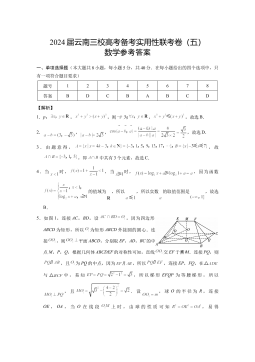
2024届云南三校高考备考实用性联考卷(五)数学-答案和解析-2022-2023学年七年级数学下册同步精品课堂(北师大版)
 2025-01-25 101
 -
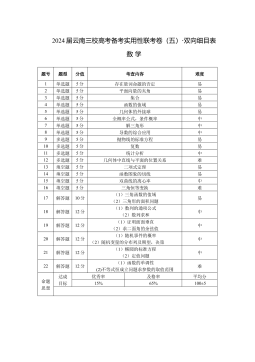
2024届云南三校高考备考实用性联考卷(五)数学 -双向细目表-2022-2023学年七年级数学下册同步精品课堂(北师大版)
 2025-01-25 109
作者:envi
分类:初中
价格:3知币
属性:28 页
大小:46.93KB
格式:DOCX
时间:2025-02-21
作者详情

相关内容
-
2023-2024学年高中上学期期末模拟考试+高一生物期末模拟卷(全国通用,必修1)(答题卡)A4版
分类:高中
时间:2024-12-16
标签:无
格式:DOCX
价格:3 知币
-
2023-2024学年高中上学期期末模拟考试+高一生物期末模拟卷(全国通用,必修1)(A4考试版)【测试范围:必修1】(人教版2019)
分类:高中
时间:2024-12-16
标签:无
格式:DOCX
价格:3 知币
-
2023-2024学年高中上学期期末模拟考试+高一生物期末模拟卷(全国通用,必修1)(A3考试版)【测试范围:必修1】(人教版2019)
分类:高中
时间:2024-12-16
标签:无
格式:DOCX
价格:3 知币
-

(T8联考)2024届高三第一次学业质量评价+生物
分类:高中
时间:2024-12-16
标签:无
格式:PDF
价格:3 知币
-
2023-2024学年高中上学期期末模拟考试+高一生物期末模拟卷(全国通用,必修1)(参考答案)
分类:高中
时间:2024-12-16
标签:无
格式:DOCX
价格:3 知币


