
专题13 医学、卫生与健康(1)-2021年高考英语阅读理解话题分类训练


(1)无锡市第一中学 2020—2021 学年度第一学期初检测试卷之 B 篇
Why elephants rarely get cancer is a mystery that has confused scientists for decades. A study was led by
researchers at Huntsman Cancer Institute (HCI) at the University of Utah and Arizona State University, including
researchers from the Ringling Bros. Center for Elephant Conservation may have found the answer. According to the
results, elephants have 38 additional modified copies of a gene ( 基因) that encodes p53, a well-defined tumor (肿
瘤) suppressor, as compared to humans, who have only two. Further, elephants may have a more powerful
mechanism for killing damaged cells that are at risk for becoming cancerous. In isolated elephant cells, this activity
is doubled compared to healthy human cells, and five times that of cells from patients with Li-Fraumeni Syndrome,
who have only one working copy of p53 and more than a 90 percent lifetime cancer risk in children and adults. The
results suggest extra p53 could explain elephants’ increased resistance to cancer.
“Nature has already figured out how to prevent cancer. It’s up to us to learn how different animals overcome
the problem so we can adapt those strategies to prevent cancer in people,” says co-senior author Joshua Schiffman,
M.D., pediatric oncologist (肿瘤学家) at Huntsman Cancer Institute, University of Utah School of Medicine, and
Primary Children’s Hospital.
According to Schiffman, elephants have long been considered a walking problem. Because they have 100
times as many cells as people, they should be 100 times more likely to have a cell slip into a cancerous state and
cause the disease over their long life span of 50 to 70 years. And yet it’s believed that elephants get cancer less
often, a theory confirmed in this study. Analysis of a large database of elephant deaths estimates a cancer death rate
of less than 5 percent compared to 11 to 25 percent in people.
4. Why do humans often get cancer compared to elephants according to the passage?
A. Elephants are bigger than humans.
B. Elephants have more p53 than humans.
C. Elephants are not as clever as humans.
D. Elephants eat more than humans.
5. Which of the following is right according to the passage?
A. Some damaged cells may be dangerous.
B. Some damaged cells are not dangerous.
C. Some damaged cells can’t be cancerous.
D. Some damaged cells in elephants’ bodies are more dangerous than those in humans’ bodies.
6. What can we know from the last paragraph?
A. Elephants have more cells than people. B. Elephants can get cancer easily.
1

C. Elephants seldom die from cancer. D. Elephants often die from cancer.
7. Which of the following can be the best title for the passage?
A. Elephants help us B. Learn from Nature
C. How to deal with cancer D. Nature helps us prevent cancer
【答案】4. B 5. A 6. C 7. D
【解析】
【分析】
这是一篇说明文。文章主要讲述了大象患癌症的几率要远远低于人类,从科学的角度对大象和人类的体内
细胞和一些基因进行了对比来说明。
【4题详解】
细节理解题。根据第一段中 According to the results, elephants have 38 additional modified copies of a gene that
encodes p53, a well-defined tumor suppressor, as compared to humans, who have only two. (根据研究结果,与
只有两个 p53 基因的人类相比,大象多了 38 个编码 p53 基因的修改副本。p53 是一种定义明确的肿瘤抑制
因子。)可知,大象有 38 个基因 p53,而人类只有两个,所以大象有更强大的机制来杀死受损有癌变危险
的细胞。故选 B。
【5题详解】
细节理解题。根据第一段中 Further, elephants may have a more powerful mechanism for killing damaged cells
that are at risk for becoming cancerous.可知,有些受损细胞会有癌变的危险。故选 A。
【6题详解】
推理判断题。根据最后一段中 And yet it’s believed that elephants get cancer less often, a theory confirmed in
this study. Analysis of a large database of elephant deaths estimates a cancer death rate of less than 5 percent
compared to 11 to 25 percent in people.(然而,据信大象患癌症的几率较低,这一理论在这项研究中得到了
证实。对一个大型大象死亡数据库的分析估计,大象的癌症死亡率低于 5%,而人类的癌症死亡率为 11%
至25%。)可知,大象患癌症的几率要远远低于人类。故选 C。
【7题详解】
主旨 大意 题。 根据 文章 第一 段 Why elephants rarely get cancer is a mystery that has confused scientists for
decades. A study was led by researchers at Huntsman Cancer Institute (HCI) at the University of Utah and Arizona
State University, including researchers from the Ringling Bros. Center for Elephant Conservation may have found
the answer.(为什么大象很少患癌症是一个困扰了科学家几十年的谜。犹他大学和亚利桑那州立大学亨茨
曼癌症研究所(HCI)的研究人员,包括林林兄弟大象保护中心的研究人员,领导了一项研究,可能已经找到
了答案。)以及文章主要讲述了大象患癌症的几率要远远低于人类,从科学的角度对大象和人类的体内细
2

胞和一些基因进行了对比来说明。体现了大自然帮助人类预防癌症。分析选项可知 A. Elephants help
us“大象帮助我们”,文章并未说明大象直接帮助了人类,而是人类通过研究发现大象身上有助于预防癌
症的细胞,故 A选项不能体现文章主要内容;B. Learn from Nature“向大自然学习”范围太过宽泛,且没
有体现文章中提到的大象身上提取的有助于预防癌细胞的事情,故排除 B选项;C. How to deal with
cancer“如何解决癌症”,文章没有提到直接解决癌症的方法,故不符合文章标题,排除 C选项;D.
Nature helps us prevent cancer“大自然帮助我们预防癌症”能够体现文章主要内容,故选 D。
【点睛】主旨大意题的做题技巧。
1) 主旨大意题属于归纳概括题。如有标题,标题中蕴含的信息往往是关键信息。
2) 找准文章的主题句是关键。“主题句定位法”是一种行之有效的方法。在答题时,我们可以:读首句抓大
意;读尾句抓大意;读首尾段抓大意。
3.) 无明显主题句时高频信息词,任一篇文章都是围绕某个主题展开的,因此,有的文章中最明显的特点之
一是有一个反复出现的中心词,即高频词,也叫做主题词。抓住了它,便容易抓住文章的中心。
如第四小题,根据文章第一段 Why elephants rarely get cancer is a mystery that has confused scientists for
decades. A study was led by researchers at Huntsman Cancer Institute (HCI) at the University of Utah and Arizona
State University, including researchers from the Ringling Bros. Center for Elephant Conservation may have found
the answer.(为什么大象很少患癌症是一个困扰了科学家几十年的谜。犹他大学和亚利桑那州立大学亨茨
曼癌症研究所(HCI)的研究人员,包括林林兄弟大象保护中心的研究人员,领导了一项研究,可能已经找到
了答案。)以及文章主要讲述了大象患癌症的几率要远远低于人类,从科学的角度对大象和人类的体内细
胞和一些基因进行了对比来说明。体现了大自然帮助人类预防癌症。分析选项可知 A. Elephants help
us“大象帮助我们”,文章并未说明大象直接帮助了人类,而是人类通过研究发现大象身上有助于预防癌
症的细胞,故 A选项不符合文章主要内容;B. Learn from Nature“向大自然学习”范围太过宽泛,且没有
体现文章中提到的大象身上提取的有助于预防癌细胞的事情,故排除 B选项;C. How to deal with
cancer“如何解决癌症”,文章没有提到直接解决癌症的方法,故不符合文章标题。排除 C选项;D.
Nature helps us prevent cancer“大自然帮助我们预防癌症”能够体现文章主要内容,故选 D。
(2)辽宁师大附中2021 届高三上学开学考试英语试题之 C篇
It is difficult for doctors to help a person with a damaged brain. Without enough blood, the brain lives for only
three to five minutes. More often the doctors can’t fix the damage. Sometimes they are afraid to try something to
help because it is dangerous to work on the brain. The doctors might make the person worse if he operates on the
brain.
3

标签: #英语阅读
相关推荐
-
2024届云南三校高三下学期联考备考实用性联考(七)文科综合试卷-高中历史 -2022-2023学年七年级数学下册同步精品课堂(北师大版)
 2025-01-25 44
 -
2024届云南三校高三下学期联考备考实用性联考(七)文科综合试卷-高中地理 含解析-2022-2023学年七年级数学下册同步精品课堂(北师大版)
 2025-01-25 78
 -
2024届云南三校高三下学期联考备考实用性联考(七)理科综合试卷-高中物理 含解析-2022-2023学年七年级数学下册同步精品课堂(北师大版)
 2025-01-25 44
 -
2024届云南三校高三下学期联考备考实用性联考(七)理科综合试卷-高中物理 -2022-2023学年七年级数学下册同步精品课堂(北师大版)
 2025-01-25 66
 -
2024届云南三校高三下学期联考备考实用性联考(七)理科综合试卷-高中生物 含解析-2022-2023学年七年级数学下册同步精品课堂(北师大版)
 2025-01-25 59
 -
2024届云南三校高三下学期联考备考实用性联考(七)理科综合试卷-高中生物 -2022-2023学年七年级数学下册同步精品课堂(北师大版)
 2025-01-25 101
 -
2024届云南三校高三下学期高考备考实用性联考卷(七)英语试卷 含解析-2022-2023学年七年级数学下册同步精品课堂(北师大版)
 2025-01-25 89
 -
2024届云南三校高三下学期高考备考实用性联考卷(七)英语试卷 -2022-2023学年七年级数学下册同步精品课堂(北师大版)
 2025-01-25 91
 -
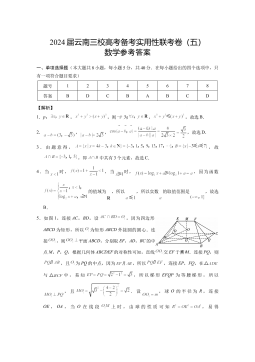
2024届云南三校高考备考实用性联考卷(五)数学-答案和解析-2022-2023学年七年级数学下册同步精品课堂(北师大版)
 2025-01-25 100
 -
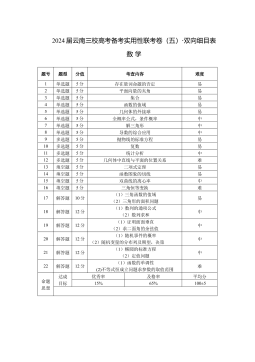
2024届云南三校高考备考实用性联考卷(五)数学 -双向细目表-2022-2023学年七年级数学下册同步精品课堂(北师大版)
 2025-01-25 106
作者:envi
分类:高中
价格:3知币
属性:9 页
大小:71.5KB
格式:DOC
时间:2025-03-04
作者详情

相关内容
-
2024届云南三校高三下学期联考备考实用性联考(七)理科综合试卷-高中生物 -2022-2023学年七年级数学下册同步精品课堂(北师大版)
分类:分省
时间:2025-01-25
标签:无
格式:DOCX
价格:3 知币
-
2024届云南三校高三下学期高考备考实用性联考卷(七)英语试卷 含解析-2022-2023学年七年级数学下册同步精品课堂(北师大版)
分类:分省
时间:2025-01-25
标签:无
格式:DOCX
价格:3 知币
-
2024届云南三校高三下学期高考备考实用性联考卷(七)英语试卷 -2022-2023学年七年级数学下册同步精品课堂(北师大版)
分类:分省
时间:2025-01-25
标签:无
格式:DOCX
价格:3 知币
-
2024届云南三校高考备考实用性联考卷(五)数学-答案和解析-2022-2023学年七年级数学下册同步精品课堂(北师大版)
分类:分省
时间:2025-01-25
标签:无
格式:DOCX
价格:3 知币
-
2024届云南三校高考备考实用性联考卷(五)数学 -双向细目表-2022-2023学年七年级数学下册同步精品课堂(北师大版)
分类:分省
时间:2025-01-25
标签:无
格式:DOCX
价格:3 知币


